
About Emotional Anthropologist
A practice of curiosity
We can all become
emotional
anthropologists.
We can learn to recognise our feelings, get curious about where they come from, and understand how they connect to the world around us.
Emotional Anthropologist is a space for building emotional fluency through essays, resources, stories, and creative exploration. Together, we explore the emotional dimensions of everyday life: how we experience love, anger, grief, shame, joy, belonging, and everything we are still finding words for.
There is always more to discover.About ourselves, about one another, and about the cultures, histories, and conditions that shape how we feel.
01 / A practice of curiosity
What does it mean to become an emotional anthropologist?
It begins with paying attention.
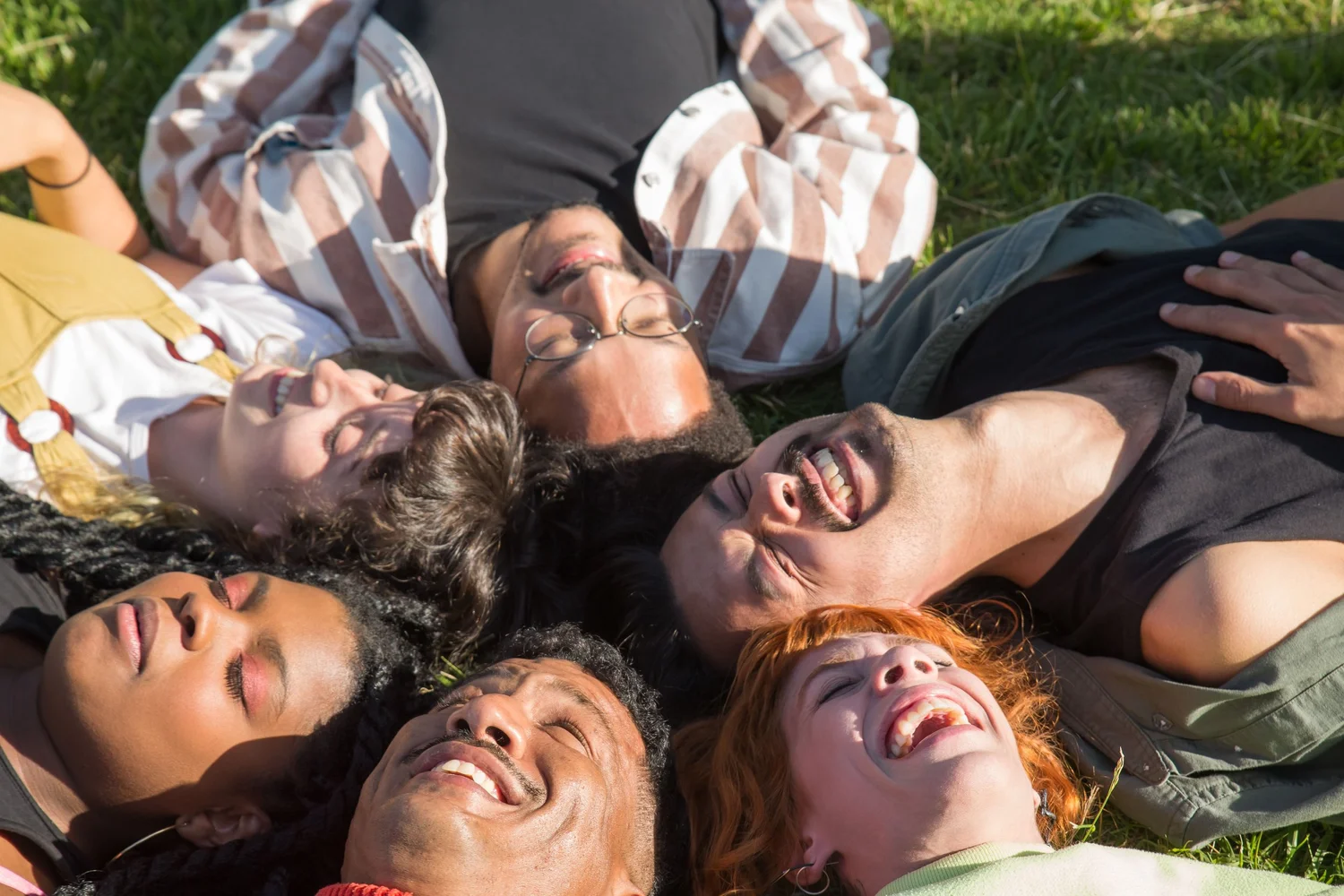
You might notice the guilt that appears when you rest, the different versions of yourself that emerge across languages, or how a familiar meal can make somewhere feel like home. You might wonder why anger is welcomed in one person and punished in another, or why asking for care can feel so difficult.
Becoming an emotional anthropologist means learning to explore these experiences with curiosity and context. We observe, listen, ask questions, and revisit our assumptions. We consider the stories we have inherited alongside the circumstances we are living through.
02 / Learning the language of feeling
Building emotional fluency.
Emotional fluency involves recognising feelings, finding language for them, and understanding the conditions in which they take shape. We learn to ask what an emotion might tell us about our needs, our relationships, and the world we are being asked to navigate.
There are many ways to understand and express emotion. Meaning can live in a language, a bodily sensation, a shared meal, a spiritual practice, or a community’s stories. Our families and cultures can offer belonging while also carrying expectations we need room to question. We make space for people to describe these complexities in their own terms.
Through this space, we practise:
-
Noticing
Feelings, bodily sensations, and patterns, including how they respond to safety, exclusion, pressure, and belonging.
A question to sit with
What changes in how I feel when I can stop proving that I belong?
-
Naming
Experiences in language that feels meaningful to us, with room for mixed emotions, uncertainty, and feelings that do not translate neatly.
A question to sit with
Is there a word, image, sound, or phrase that comes closer to what I feel?
-
Connecting
Our emotional lives to relationships, inherited histories, working conditions, access to resources, and the systems that shape our choices.
A question to sit with
What expectations or conditions are shaping this feeling, and who has the power to change them?
-
Listening
Across differences without assuming our own experience is universal, or expecting someone to make their pain familiar before we take it seriously.
A question to sit with
What might I hear if I let someone describe their experience without translating it into my own?
-
Responding
In ways that support dignity, choice, and shared responsibility. This includes setting boundaries, addressing harm, and asking what support and changes could make repair possible and prevent harm from happening again.
A question to sit with
What would help the people affected feel safer, and what needs to change so this harm is less likely to happen again?
Always becoming.
Always learning.
Fluency grows through practice, conversation, and a willingness to revise what we think we know. It can help us recognise when we need support, when a relationship needs to change, and when the conditions around us call for collective action.
03 / Widening our understanding
Many disciplines.
Many ways of knowing.
Understanding our emotional lives asks us to look across disciplines and listen across differences. We bring psychology into conversation with anthropology, sociology, history, literature, art, and the knowledge people develop through living, caring, surviving, and organising together.

- Psychology
- Anthropology
- Sociology
- History
- Literature
- Art
- Lived experience
Open a question to explore our approach.
What changes when we look across disciplines?
Each perspective changes the questions we can ask. Exploring burnout might lead us from bodily exhaustion to working conditions, unpaid caregiving, financial insecurity, or the expectation that our worth depends on being useful. It might also lead us to ask who can afford to rest, whose labour makes another person’s rest possible, and what would need to change for care to be shared more fairly.
How does power shape our emotional lives?
Our approach pays attention to how power works through the intersections of race, gender, class, sexuality, disability, and migration. These relationships shape whose anger is treated as threatening, whose distress is dismissed, who is expected to endure, and who can seek support without risking their income, safety, or autonomy.
Whose knowledge gets taken seriously?
We also ask whose knowledge gets treated as authoritative. What becomes visible when we listen to people whose languages, cultural practices, community histories, and ways of understanding distress have been excluded from dominant accounts of mental health? What assumptions do we need to reconsider, and whom do we need to credit?
Learning across these perspectives requires care and accountability. We attend to where knowledge comes from, the relationships that sustain it, and the limits of our own understanding. We leave room for disagreement within communities and for people to question the traditions and institutions that shape their lives.
Through this work, we seek a fuller understanding of emotion that can deepen how we care for one another, respond to harm, and change the conditions that make life harder to sustain.
04 / What you’ll find here
Many ways into
our emotional lives.
A family story you are beginning to question. A feeling that changes when you speak another language. The exhaustion of being the person everyone relies on. A moment of joy that makes more of life feel possible.

Our essays, reflections, and resources explore these connections. Open a theme to look closer.
Family stories & inherited expectations
What we learn about love, duty, silence, and who we are allowed to become.
Migration, language & belonging
The emotional work of moving between places, making home, and finding words for experiences that do not always translate.
Trauma, survival & relationships
How we learn to protect ourselves, what those protections ask of us, and what makes trust and choice possible.
Work, caregiving & rest
Who carries the responsibility for keeping life going, whose labour goes unnoticed, and who has room to pause.
Queer & trans lives
The everyday experiences of desire, kinship, self-discovery, safety, and building lives on our own terms.
Grief, pleasure & connection
What we mourn, what sustains us, and how loss and joy can exist alongside each other.
Community care & support
How people share resources, respond to harm, and create ways of caring that protect dignity and autonomy.
You’ll find questions to sit with, creative invitations, practical tools, practitioner perspectives, and pathways to support. Some pieces may help you name an experience. Others may invite you to reconsider a familiar story or try a different way of responding.
Across this work, we ask what makes care accessible, what accountability and repair require, and what needs to change in the conditions shaping our lives. We make room for personal reflection alongside shared responsibility and collective possibility.